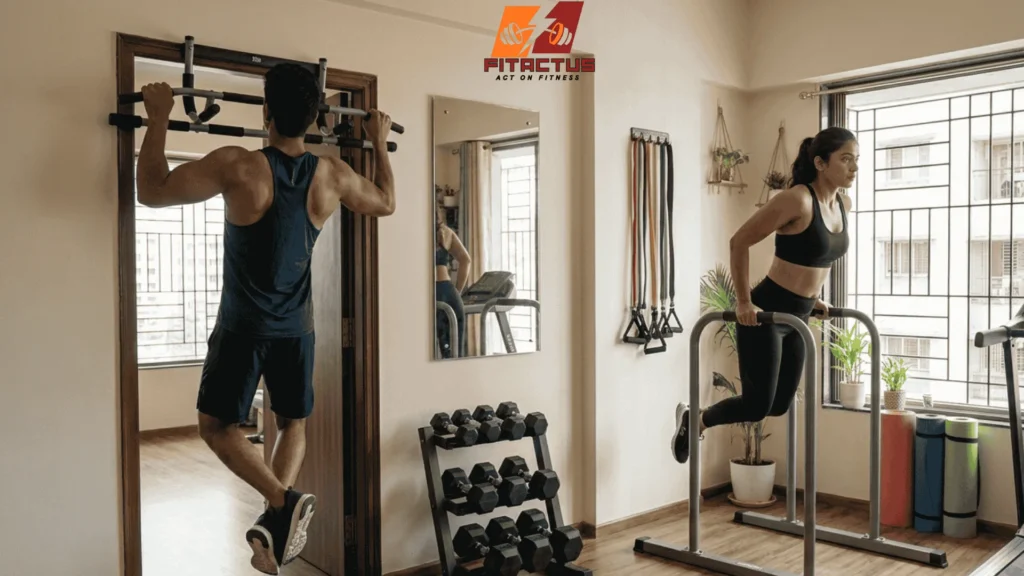
Well-maintained gym equipment lasts longer, performs better, and prevents injuries. The most effective gym equipment maintenance strategy includes daily cleaning, routine inspections, lubrication, and preventive servicing schedules.
Facilities that follow structured maintenance programs reduce downtime, improve member satisfaction, and cut repair costs significantly. Research on maintenance systems shows that proactive, condition-based maintenance improves reliability and operational efficiency compared to reactive approaches.
In this guide, you’ll learn actionable, research-backed gym equipment maintenance tips used by top-performing fitness facilities.
Why Is Gym Equipment Maintenance Important?
Gym equipment maintenance is essential because it improves safety, extends equipment lifespan, reduces repair costs, and ensures consistent performance.
Key Benefits
- Improved safety: Faulty equipment increases injury risk
- Longer lifespan: Prevents premature wear and tear
- Lower costs: Prevents expensive breakdowns
- Reduced downtime: Keeps machines available for users
- Better member retention: Clean, functional gyms build trust
What Is the Difference Between Preventive and Reactive Maintenance?
Preventive maintenance is a scheduled approach to servicing equipment before failure, while reactive maintenance fixes equipment after it breaks. Preventive maintenance is more cost-effective and reliable.
Comparison Table
| Factor | Preventive Maintenance | Reactive Maintenance |
|---|---|---|
| Cost | Lower long-term | High unexpected costs |
| Downtime | Minimal | High |
| Safety | High | Risky |
| Equipment lifespan | Extended | Reduced |
| Planning | Structured | Unpredictable |
Insight from Research
Condition-based and preventive strategies outperform reactive models in efficiency, cost control, and reliability.
What Are the Best Gym Equipment Maintenance Tips? (Top 10 Practices)
1. Follow a Daily Cleaning Protocol
Wipe gym equipment after every use using mild disinfectant to prevent corrosion, bacteria buildup, and premature wear.
- Clean high-touch surfaces multiple times daily
- Avoid harsh chemicals—they damage upholstery and electronics
2. Perform Daily Visual Inspections
Inspect equipment daily for loose bolts, worn cables, and visible damage to prevent accidents and costly repairs.
- Look for cracks, fraying, or instability
- Fix small issues before they escalate
3. Lubricate Moving Parts Regularly
Lubrication reduces friction, improves performance, and extends equipment lifespan.
- Lubricate belts, chains, and pulleys
- Use manufacturer-approved lubricants
4. Tighten Bolts and Hardware
Loose components lead to instability and injury risks.
- Check fasteners weekly
- Prioritize high-use machines
5. Schedule Preventive Maintenance
Create a maintenance schedule based on usage frequency and manufacturer guidelines.
- Use digital tools or logs
- Track service history for optimization
6. Maintain Electrical Components
- Inspect wiring and consoles regularly
- Replace damaged cables immediately
7. Keep Equipment Dry and Properly Stored
- Prevent rust and corrosion
- Store accessories in dry areas
8. Train Staff and Users
Educating staff and members reduces misuse and extends equipment life.
- Display usage instructions
- Encourage post-use cleaning
9. Maintain a Maintenance Checklist
- Standardize processes
- Ensure nothing is missed
10. Act on Issues Immediately
Ignoring minor problems leads to major failures.
- Fix unusual noises, friction, or instability early
How Often Should Gym Equipment Be Maintained? (Complete Schedule)
Gym equipment should be cleaned daily, inspected weekly, serviced monthly, and professionally maintained annually.
Maintenance Schedule Table
| Frequency | Tasks |
|---|---|
| Daily | Cleaning, visual inspection |
| Weekly | Tightening, minor adjustments |
| Monthly | Lubrication, detailed inspection |
| Quarterly | Performance checks |
| Annually | Professional servicing |
How Do You Maintain Different Types of Gym Equipment?
Cardio Equipment
- Lubricate treadmill belts
- Clean consoles and screens
- Check motors and wiring
Strength Machines
- Inspect cables and pulleys
- Tighten weight stacks
- Lubricate guide rods
Free Weights
- Clean regularly
- Check for cracks or damage
- Store properly
What Are the Most Common Gym Equipment Maintenance Mistakes?
The biggest maintenance mistakes include ignoring early signs of damage, using harsh chemicals, and skipping scheduled servicing.
Mistakes List
- Using corrosive cleaning agents
- Delaying repairs
- Skipping inspections
- Poor record-keeping
What Is Condition-Based Maintenance in Gyms and How Does It Work?
Condition-based maintenance uses real-time data to service equipment only when needed, improving efficiency and reducing costs.
Why It Works
- Reduces unnecessary servicing
- Prevents unexpected breakdowns
- Optimizes ROI
Supported by modern research showing significant performance and cost improvements.
Gym Equipment Maintenance Checklist (Daily, Weekly, Monthly Tasks)
- Daily cleaning
- Visual inspection
- Lubrication schedule
- Hardware tightening
- Electrical checks
- Maintenance logs
- Staff training
- Immediate repairs
FAQs
Q1. How often should gym equipment be maintained?
Most equipment requires daily cleaning, weekly inspection, monthly servicing, and annual professional maintenance.
Q2. What is the most important maintenance task?
Daily cleaning and inspection are critical because they prevent damage and ensure safety.
Q3. How do you increase gym equipment lifespan?
Follow preventive maintenance, lubricate parts, and fix issues early.
Q4. What happens if gym equipment is not maintained?
It can cause injuries, breakdowns, and costly repairs.
Q5. Should gyms use preventive maintenance?
Yes. Preventive maintenance reduces downtime, improves safety, and saves money.